
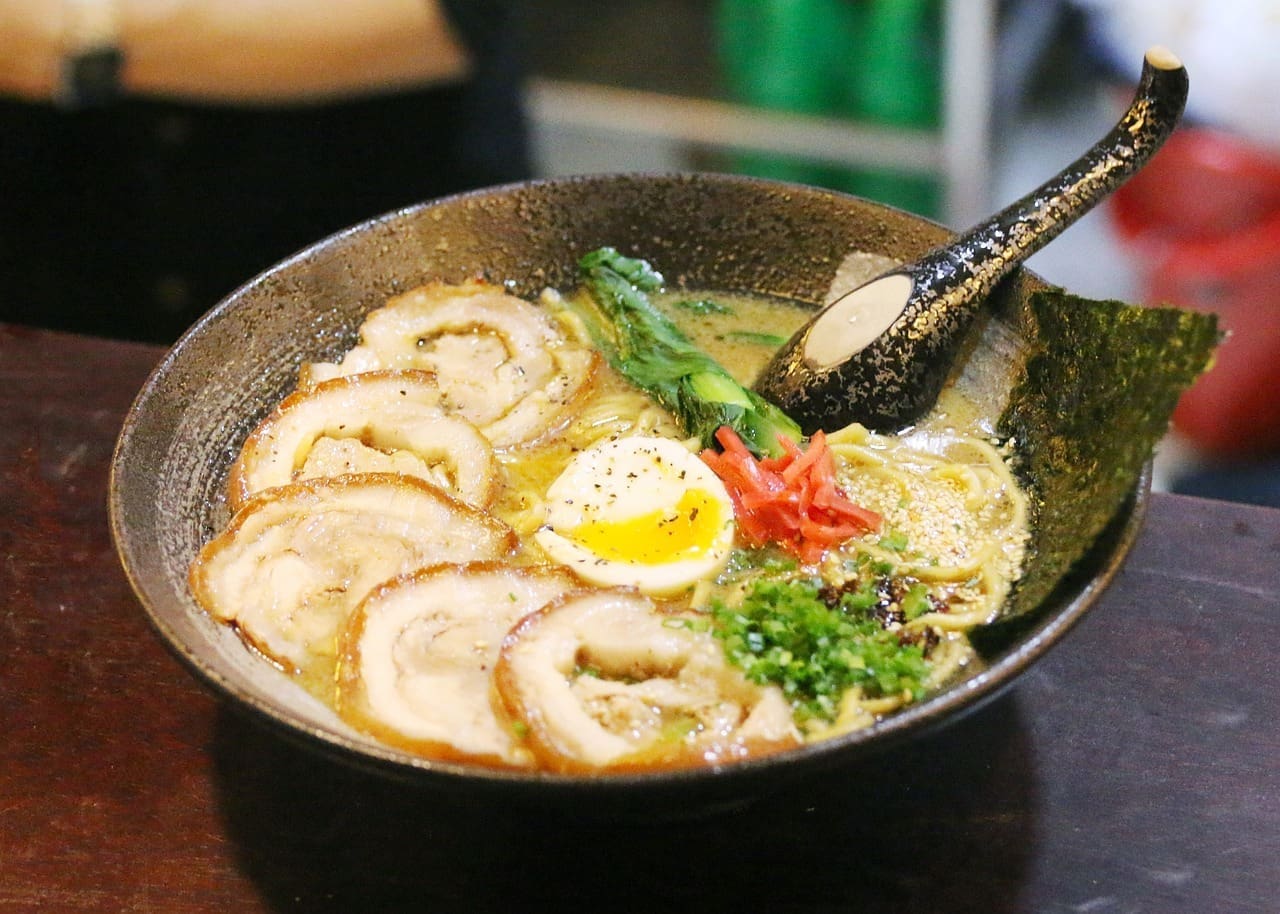
Choose a ramen style that fits the region you are already visiting, rather than building a long detour around a generic food checklist. This researched overview introduces regional styles; recipes and toppings vary by shop.
Editorial correction — October 13, 2026: Pork-bone broth is called tonkotsu; tonkatsu is a breaded pork cutlet. We also removed an unrelated brewery embed and replaced bare URLs with descriptive planning links. This correction is not a new tasting review or a verification of individual restaurants.
Source: JNTO’s ramen guide distinguishes salt, soy sauce and miso seasonings from pork-bone tonkotsu broth and describes the regional context. See our Japan Food & Local Flavors hub for more planning guides.
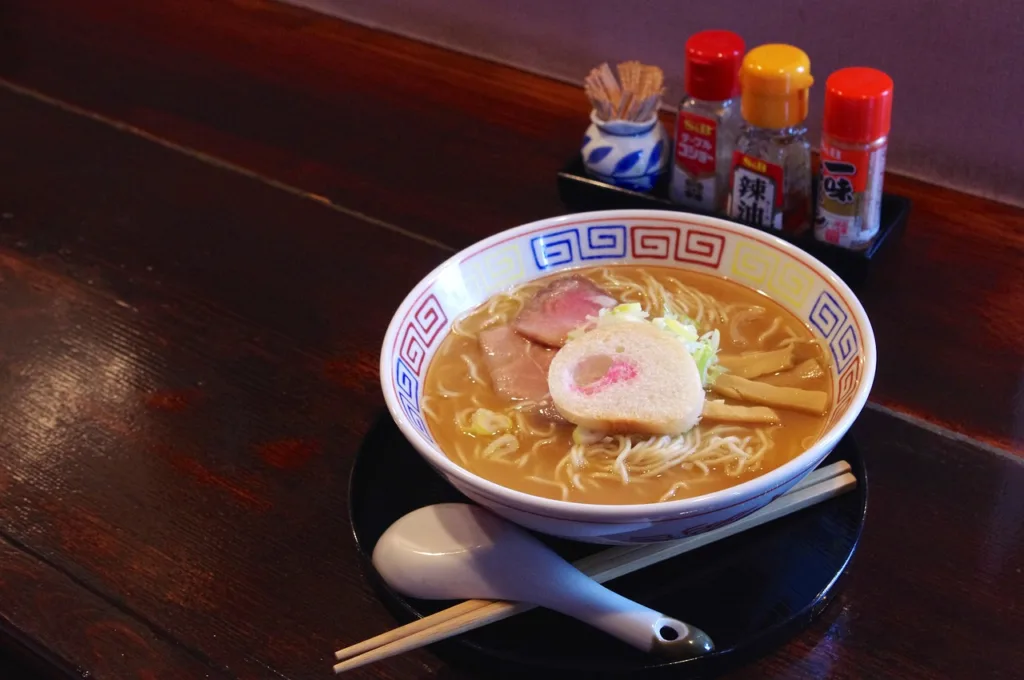
Sapporo’s Soul-Warming Miso Ramen
In the heart of Hokkaido, Sapporo’s ramen is a beacon of warmth against the harsh winters. The city’s signature miso ramen, a culinary masterpiece, blends sweetcorn, butter, bean sprouts, succulent pork, and garlic. It is often accompanied by local seafood treasures like scallop and crab. It’s more than just a dish; it’s a warm embrace on a cold day.
Plan a visit to Sapporo Ramen Alley
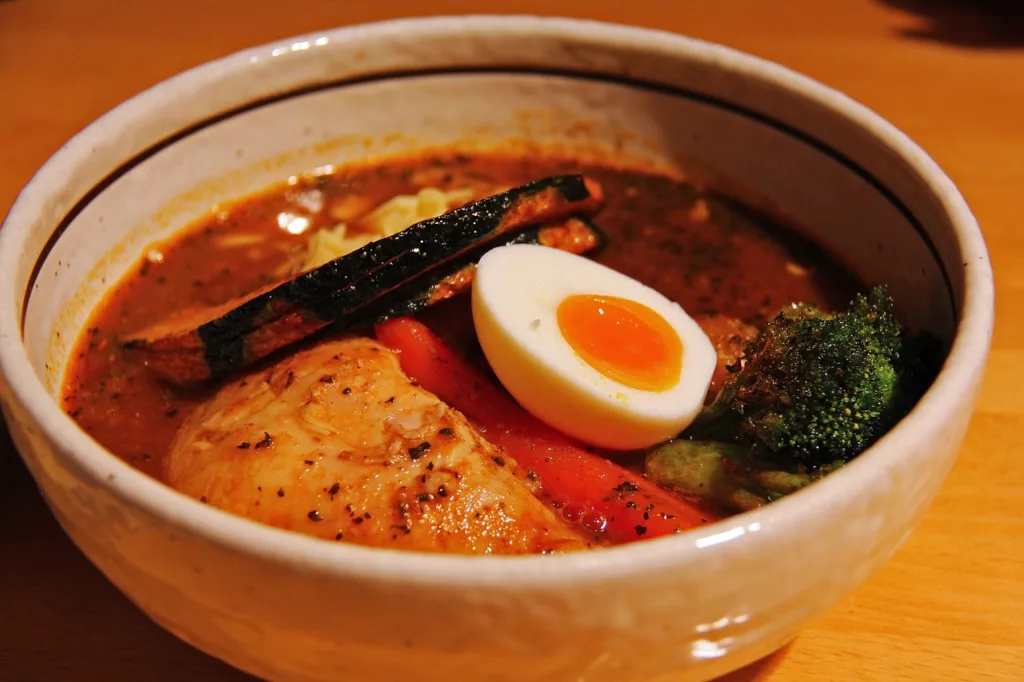
Hokkaido’s Regional Delights
Travel across Hokkaido to Hakodate, where the salt-flavored ramen reigns supreme. This offers a lighter yet equally tantalizing option. Asahikawa surprises with its soy sauce-flavored variation. Don’t miss Muroran’s unique curry ramen, a fusion that tantalizes the taste buds.
Kitakata’s Noodle Haven
Venture to Kitakata, where ramen is a way of life. Known for its thick, flat, curly noodles bathed in a rich pork-and-niboshi broth, Kitakata treats ramen with reverence. Here, ‘soba’ refers not to buckwheat noodles but to this local ramen specialty, a testament to its cultural significance.
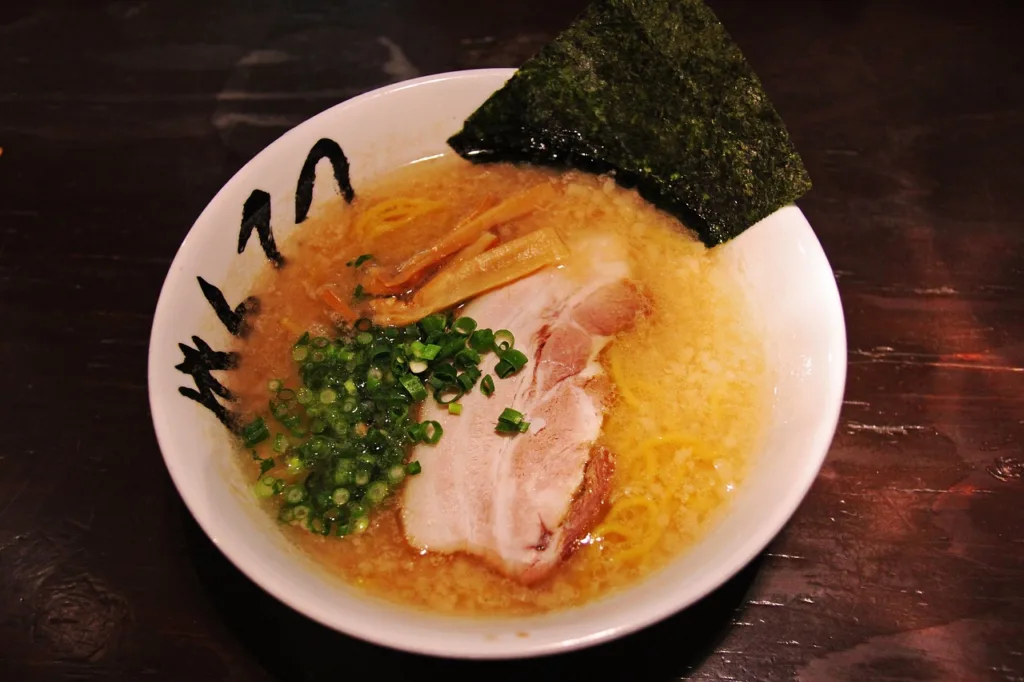
Tokyo-Style Ramen: A Delicate Balance
Tokyo’s ramen scene, a blend of tradition and modernity, features thin, curly noodles in a soy-flavored chicken broth. Infused with a hint of dashi, this style reflects the city’s culinary evolution. Standard toppings like scallion, menma, sliced pork, and spinach offer a classic touch. Districts like Ikebukuro and Ebisu showcase their unique takes.
Read about Ramen Stall Kitakuni in Saitama
Yokohama’s Ie-kei Ramen: A Bold Fusion
Yokohama’s Ie-kei ramen is a harmonious blend of thick noodles in a soy-infused pork broth reminiscent of tonkotsu. Customize your bowl with toppings like roasted pork, spinach, and nori. Adjust the broth’s richness and oil content to your liking. It’s a personalized ramen experience.
Wakayama and Hakata: Regional Pride
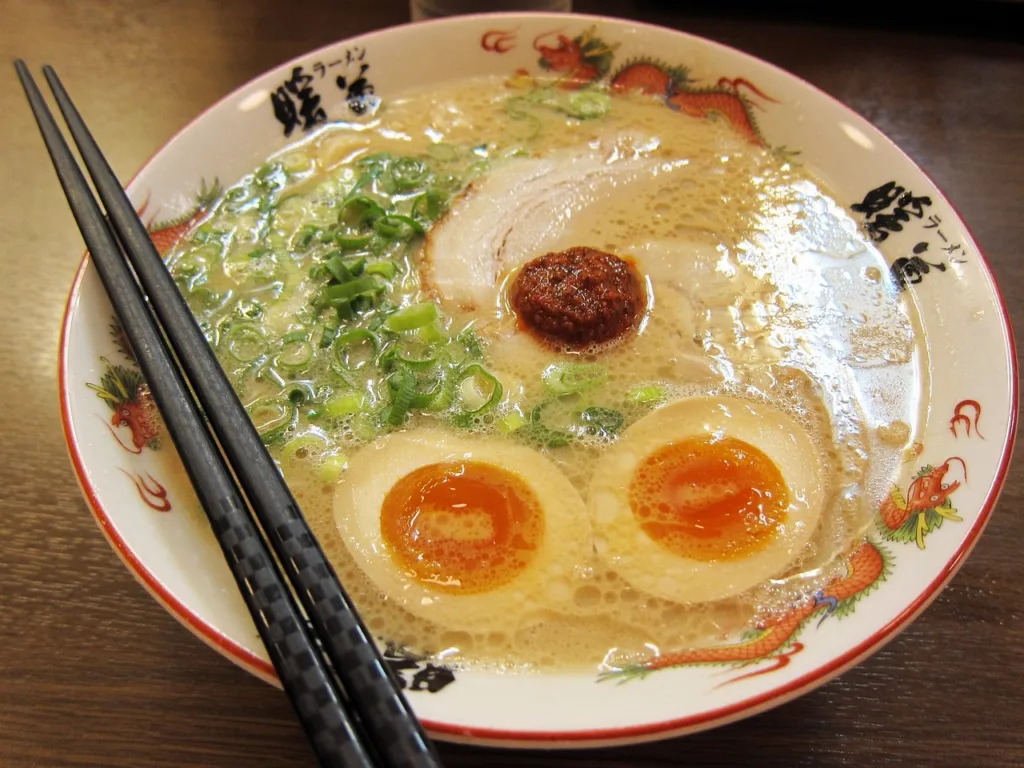
In the Kansai region, Wakayama ramen shines with its soy sauce and pork bone broth. Meanwhile, Hakata ramen, hailing from Fukuoka, offers a rich, milky, pork-bone tonkotsu broth with thin, resilient noodles. Here, the custom of self-topped garlic, pickled ginger, and spicy mustard greens adds a personal touch to each bowl.
Saitama’s Unique Tofu Ramen
Iwatsuki Ward in Saitama City surprises with its tofu ramen. This delightful variation adds a new dimension to the traditional ramen narrative.
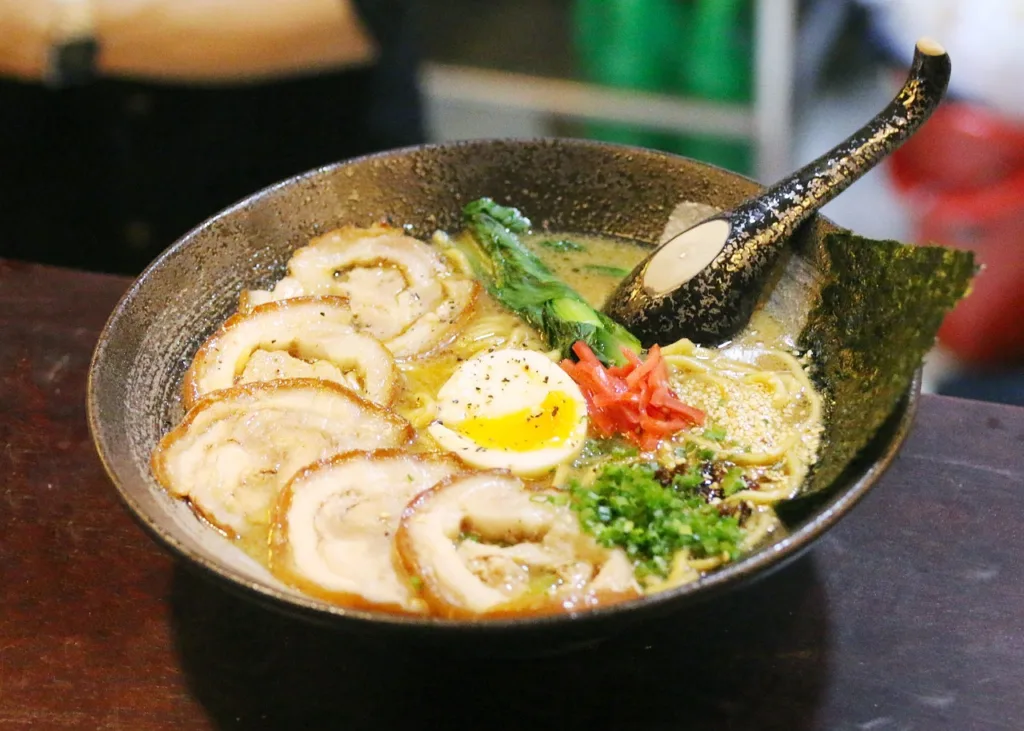
Each bowl of ramen in Japan tells a story, reflecting its regional heritage and culinary artistry. From the hearty miso ramen of Sapporo to the delicate flavors of Tokyo-style ramen, these regional varieties are not just meals, but a journey through Japan’s rich culinary landscape. As you explore these diverse flavors, what will be your favorite ramen story?