
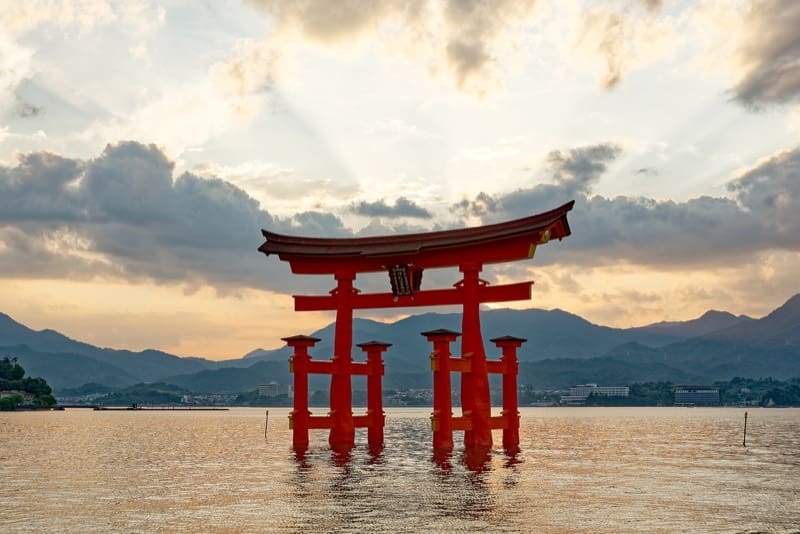
Quick answer: A Miyajima day trip from Hiroshima is enough for many first-time visitors who want Itsukushima Shrine, the Great Torii, Omotesando and one nearby temple. Stay overnight when quieter early-morning and evening time, a ryokan experience, both tide views or a full Mount Misen plan matters more than keeping costs and hotel changes down. You do not need to stay overnight simply to see the illuminated torii: regular ferries continue after sunset.
Last verified: October 12, 2026. Ferry, shrine and ropeway schedules can change. Recheck the official operator pages for your exact date, especially around holidays, severe weather and maintenance periods.
Quick Answer: Miyajima Day Trip or Overnight?
| Your priority | Day trip | Overnight |
|---|---|---|
| Itsukushima Shrine, Great Torii and Omotesando | Good fit | Optional |
| See the shrine at both high and low tide | Possible only when the tide table aligns | Much easier |
| Ropeway plus Mount Misen summit | Possible with an early start and good conditions | Better buffer for weather and queues |
| Full hike on Mount Misen | Demanding when added to the main sights | Recommended for a slower plan |
| Young children, stroller or frequent breaks | Keep to the waterfront and one family attraction | Useful when the aquarium or mountain is also important |
| Quiet streets before and after day visitors | Not the point of a day trip | The clearest reason to stay |
What Can You Realistically See in One Day?
A realistic first visit can include the ferry, Itsukushima Shrine, the Great Torii viewpoint, Daishoin or Senjokaku, and time on Omotesando. Choose one extra rather than stacking the aquarium, ropeway, summit and every temple into the same day.
The shrine is open year-round, but closing time changes by season. The official schedule currently lists a 6:30 a.m. opening on most dates, with closing at 6:00 p.m. from March 1 to October 14, 5:30 p.m. from October 15 to November 30, and 5:00 p.m. in December. January has separate New Year hours. Regular admission is currently ¥300 for adults, ¥200 for high-school students and ¥100 for elementary and junior-high students. The early opening benefits overnight guests, but day trippers still have a wide window if they arrive before the midday flow.
A day trip is strongest when the day has one organizing idea: shrine and tide, shrine and Daishoin, or shrine and ropeway. It becomes fragile when a reserved train from Hiroshima, a specific tide, the ropeway, summit walking and the last practical ferry are all treated as fixed appointments.
When Is Staying Overnight Worth It?
Stay on the island when the experience outside day-trip hours is part of the reason for visiting. The Miyajima Tourist Association highlights the evening illumination, night cruises, bars and the early-morning atmosphere around Itsukushima Shrine as benefits that day visitors usually miss.
- Two tide states matter: an overnight gives the tide cycle more room to cooperate without forcing the entire day around one hour.
- Mount Misen is a priority: you can separate the mountain from the shrine rather than rushing both.
- You want a ryokan meal or island evening: that is an experience, not merely transport convenience.
- Your family needs margin: a hotel makes naps, weather changes and an early stop less costly.
- You are visiting in a peak period: arriving before the main ferry flow does not guarantee solitude, but it changes the rhythm of the visit.
Staying near Miyajimaguchi on the mainland is a different compromise. It can simplify a late arrival, early onward train or lower-cost hotel search, but it does not provide the same after-hours island experience. Choose the island for atmosphere; choose the mainland for logistics.
Read the exact accommodation plan before comparing prices. Some ryokan plans include dinner and breakfast; others include one meal or none. Our ryokan-versus-hotel guide explains why meal inclusions, arrival deadlines and room style matter more than the headline room rate.
Can You See the Floating Torii After Dark Without Staying Overnight?
Yes. The Miyajima Tourist Association says the Great Torii, shrine buildings, pagodas and waterfront lanterns are generally illuminated from about 30 minutes after sunset until 11:00 p.m., although shrine events can interrupt the display. Regular ferry schedules continue into the evening, so many visitors can see the early part of the illumination and return to Hiroshima without sleeping on the island.
Sunset varies by season and special-event or holiday schedules can replace the regular pattern. Check both operators on the day and allow time to walk back to the pier. An overnight is better for an unhurried dinner and late waterfront walk; it is not a transport requirement for seeing the torii after sunset.
How Do Ferry Schedules Affect the Decision?
JR West Miyajima Ferry and Miyajima Matsudai Kisen both connect Miyajimaguchi with Miyajima. The crossing takes about 10 minutes. Each operator publishes a regular timetable plus busier or special-event patterns. Daytime departures are frequent, while the gaps widen later. Regular evening departures mean a day visitor can see the illuminated waterfront and still return to Hiroshima, but the exact useful departure depends on the date and season.
Both operators currently list a standard one-way passenger fare of ¥200 for adults and ¥100 for children, plus the separate ¥100 Miyajima visitor tax when entering the island unless an exemption applies. Both accept major transportation IC cards; Matsudai also lists contactless credit-card payment. JR Pass and eligible JR West pass holders may use the JR ferry, but the visitor tax remains separate. If you are comparing rail products, see our regional rail-pass guide.
JR’s departures from Miyajimaguchi between 9:10 a.m. and 4:10 p.m. normally use the Great Torii route, providing a water-side view without increasing the published 10-minute crossing time. From Hiroshima Station, JR West gives a typical Sanyo Main Line journey of about 28 minutes to Miyajimaguchi. Add the station walk, ticket or gate time and the ferry when estimating the real journey.
Do not copy one last-ferry time into a permanent itinerary. Check the operator’s timetable calendar for the travel date, then protect enough time to walk from the shrine or mountain area to the pier. A late published departure is not permission to begin a mountain walk late in the afternoon.
How Tides Change the Visit
At higher tide, the shrine and Great Torii appear to float on the water. At lower tide, the beach is exposed and visitors may be able to walk toward the gate. Neither is universally better; they are different views.
Use the Miyajima Tourist Association tide tool for the exact date and time. It labels periods when visitors can normally walk toward the gate and when the shrine has the floating appearance. Treat those as planning guidance rather than a safety guarantee: weather, sea conditions and local restrictions still take priority.
A day trip can capture both appearances only when the tide interval and attraction hours align. If both are essential, an overnight is the more reliable decision than adding hours of waiting to an already full day.
Mount Misen: Does It Make an Overnight Stay More Valuable?
The ropeway reduces the climb but does not deliver passengers to the summit. The official schedule is currently 9:00 a.m.–4:00 p.m., with the final downward departure at 4:30 p.m. Standard fares are ¥2,000 adult and ¥1,000 child return, or ¥1,100 adult and ¥550 child one way. The operator estimates about one hour for a ropeway round trip to Shishiiwa Station; reaching the summit adds roughly another hour for the out-and-back walk.
The official walking map warns of steep slopes, stone steps and quickly changing weather. Reaching Momijidani also takes time from the main visitor area; a limited free shuttle operates from the park entrance, with midday and late-day gaps. The ropeway can suspend for strong wind, thunderstorms, power problems or maintenance, and advance reservations are required on selected peak dates.
Strollers and wheelchairs cannot board the circular ropeway because the facility lacks elevators and suitable conveyance; the operator asks visitors to leave them at Momijidani Station. Families with small children should decide before the climb whether an adult will carry the child and whether the summit walk is realistic. The waterfront, Daishoin and aquarium can form a better day when the mountain plan does not fit.
Miyajima With Kids
- Babies and toddlers: keep the main plan near the ferry, shrine and shopping streets. Carrying equipment is more useful than a stroller on stairs and mountain paths.
- Primary-school children: choose one headline activity beyond the shrine: the aquarium, a craft activity or the ropeway when conditions are suitable.
- Older children and teens: Mount Misen can work with good footwear, water, realistic timing and genuine interest in the walk.
- Bad weather: the aquarium and craft center offer indoor alternatives, but confirm opening calendars rather than assuming they are available.
The official tourist information describes Miyajima Aquarium as a Seto Inland Sea-focused facility and lists hands-on options at the Traditional Crafts Center. These are useful family choices because they give the day a story beyond shopping and provide a fallback when the mountain is unsuitable. Families do not automatically need to stay: choose an overnight only when the room creates real value such as rest, a slower dinner or two shorter sightseeing blocks. For more route-tested ideas, compare our family-friendly places in Japan.
Three Realistic Plans
Focused day trip
Early Hiroshima departure → ferry → Itsukushima Shrine and Great Torii → Daishoin or Senjokaku → lunch and Omotesando → return ferry with margin.
Day trip with Mount Misen
Early ferry → shrine before the busiest period → ropeway and summit only if weather, queue and return time are favorable → one simple meal or street stop → ferry. Skip the aquarium and extra temples.
One-night split
Day 1: arrive, visit the shrine at the useful tide state, walk Daishoin and stay for the island evening. Day 2: early shrine or waterfront time, then Mount Misen or the aquarium before departure.
Luggage, Meals and Accommodation Logistics
- Luggage: the tourist association lists lockers at JR Miyajimaguchi Station, the mainland ferry terminal and the Miyajima ferry terminal. Capacity is not guaranteed, so avoid taking a large suitcase onto the island when you can leave it in Hiroshima or send it ahead.
- Meals: many daytime shops and casual restaurants close around late afternoon. Some dinner restaurants operate, but days and last orders vary. Reserve an included meal or confirm a specific dinner instead of assuming Omotesando stays fully open.
- Accommodation: the official directory points to the Miyajima Hotel Union, but room supply, occupancy rules and meal plans belong to each property. Check the exact booking plan.
- Mainland alternative: staying near Miyajimaguchi can simplify an early train, late arrival or budget search, but it does not provide the same island evening and early-morning atmosphere.
If a suitcase is moving separately through Japan, our Japan luggage-forwarding guide explains delivery buffers and what must stay with you.
When You Should NOT Stay Overnight
- Your only goals are the shrine, torii, Omotesando and one nearby temple.
- You are changing hotels solely because you think the ferry stops before dark.
- Another check-in, luggage handoff and early departure would be more tiring than useful.
- You would rather spend the accommodation budget on a special stay elsewhere.
- The exact island property or meal plan adds nothing you value.
Final Decision: Which Option Fits Your Trip?
Choose a day trip for a clear first visit centered on Itsukushima Shrine and one additional area. Stay overnight when the second tide state, Mount Misen, an island evening or family recovery time is part of the actual experience. The ferry frequency makes Miyajima accessible; the value of an overnight comes from what you do with the quieter hours, not from avoiding a difficult crossing.
Official Sources
- JR West Miyajima Ferry: timetable, access and fares
- Miyajima Matsudai Kisen: timetable and fares and payment
- Itsukushima Shrine: official hours and admission
- Miyajima Tourist Association: tide tool and illumination guidance
- Miyajima Ropeway: hours and fares, walking map and access and shuttle
- Miyajima Tourist Association: accommodation directory, locker guidance and shop and dining-hour guidance
- Miyajima Tourist Association: family attractions
Featured image: Jakub Hałun, “Itsukushima-jinja torii at sunset, Miyajima, Japan,” Wikimedia Commons, CC BY 4.0. Cropped by WordPress for display.