

Quick answer: Sapporo Ramen Alley is a compact row of independent ramen counters in Susukino, at Minami 5-jo Nishi 3-chome. Come for Sapporo-style miso ramen, but choose by the bowl—not by the longest queue. Each shop has its own menu, hours and personality.
Every city has a dish that defines it. Osaka has takoyaki, Hiroshima has okonomiyaki, Fukuoka has tonkotsu ramen. In Sapporo, Hokkaido, that dish is miso ramen. The most atmospheric place to understand why is Ganso Sapporo Ramen Yokocho (元祖さっぽろラーメン横丁), better known as Sapporo Ramen Alley.
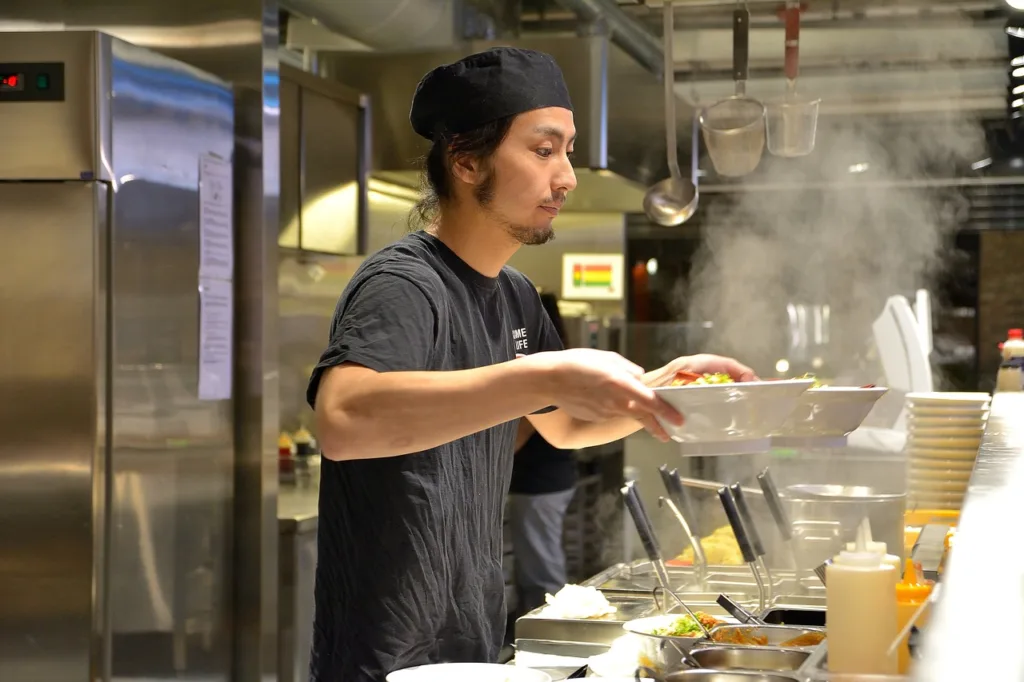
This is not a polished food hall. It is a narrow corridor of tiny counters, steamy windows and chefs working a few feet from your seat. That closeness is the point.
Ramen Alley at a glance
- Best for: a first bowl of Sapporo miso ramen and a late-night Susukino meal.
- Location: Minami 5-jo Nishi 3-chome, Chuo-ku, Sapporo.
- Nearest station: Susukino Station; the alley is only a short walk away.
- Hours: there is no single opening time. Some counters open for lunch, others focus on evening and late night.
- Payment: carry cash even if some shops accept cards or mobile payment.
- Reality check: seats are tight, luggage is awkward and the most famous queue is not automatically the best bowl for you.
What should you order?
If this is your first visit, start with miso ramen. Sapporo-style bowls are usually rich, warming and built for Hokkaido weather. Corn and butter are popular additions, but they are options—not a rule. A simpler bowl often makes it easier to taste the broth.
- Miso ramen: the classic choice and the reason most travelers come.
- Spicy miso: good if you want heat without losing the depth of the broth.
- Shio ramen: lighter and salt-forward; useful when a heavy miso bowl feels like too much.
- Shoyu ramen: soy-based, aromatic and usually cleaner in finish.
- Butter and corn: comforting and very Hokkaido, though the extra richness can dominate a delicate broth.

How to choose a ramen shop
Do one slow walk through the alley before sitting down. Look at the photos or ticket machine, check which broth is the specialty, and notice whether the counter has space. The official Ramen Yokocho site lists individual shops and current hours, which is worth checking because schedules and days off vary.
My rule is simple: choose the shop whose signature bowl actually sounds good to you. A short line can mean a faster, calmer meal—not an inferior one. The alley itself has asked visitors not to block neighboring entrances while queuing for a single shop.
Menu and prices: what to expect
Ramen Alley does not have one shared menu. Every counter sets its own bowls, toppings and prices. Most menus are short: a few broth styles, noodle or portion choices, and extras such as egg, chashu, butter or corn. Check the menu board before joining a line, and do not assume every shop serves the same version of “Sapporo ramen.”
Many shops use a ticket machine near the entrance. Choose the bowl first, pay, then hand the ticket to the staff. English labels or photos are common, but not universal. If you are unsure, pointing to the shop’s signature bowl works perfectly well.
When to go
Lunch is easier if you want to inspect the alley without Susukino’s nightlife crowds. Evening brings more atmosphere. Late night is the memorable version: coats hanging behind tiny stools, fogged windows and hot broth after walking through cold Sapporo streets.
Opening hours vary dramatically. Some shops close in the afternoon between services; others continue after midnight or close once soup sells out. Check the official shop list on the day you visit.
A brief history of Sapporo Ramen Alley
The official history dates the alley’s predecessor to 1951, when eight ramen shops formed the Koraku Ramen Meitengai nearby. The present alley became closely associated with the spread of Sapporo miso ramen and celebrated its 75th anniversary in 2026. It remains less a museum than a working piece of the city’s food culture.
Why this place stayed with me
For me, Ramen Alley was never only about ranking bowls. I remember ducking into a tiny shop near midnight while snow fell outside. The chef ladled broth a few feet away; butter slowly disappeared into the miso, and the room became warm enough to forget the street. For a moment, it felt as if all of Hokkaido had been reduced to one bowl.
That is the real reason to come. You can find more fashionable ramen elsewhere in Sapporo. Ramen Alley gives you comfort, history and the energy of Susukino in the same ten-seat room.
Sapporo Ramen Alley FAQ
Is Ramen Alley worth visiting?
Yes, especially for a first visit to Sapporo or a late-night meal. Go for the atmosphere and variety rather than expecting one universally “best” shop.
Does Ramen Alley have vegetarian ramen?
Do not assume that a bowl without visible meat is vegetarian; broths commonly contain pork, chicken or fish. Check directly with each shop and keep a backup restaurant in your plan if dietary requirements are strict.
Can I visit with children?
Yes, but the counters are small and may not have high chairs or room for a stroller. An early meal is easier than the late-night rush.
Continue planning your Hokkaido trip
Compare this famous alley with our guide to regional ramen in Japan, discover the tiny Ramen Stall Kitakuni, or browse the full Hokkaido collection.

Continue exploring: Find more regional dishes, markets and workshops in the Japan Food & Local Flavors hub.