
Affiliate disclosure: This page contains selected booking links. We may earn a commission from an eligible purchase at no additional cost to you. How affiliate links work.
Quick answer: Tokyo is strongest when you mix precision craft, mass urban culture and ordinary local routines. The most memorable choices are not another observation deck: cut glass in Asakusa, join a baseball crowd, use the river as transport, soak in a sento or spend an evening listening rather than shopping.
Unlike Kyoto, Tokyo’s advantage is range. A traditional workshop can sit beside a batting cage, ferry or experimental music room. Choose two or three experiences that contrast with each other instead of booking a full day of workshops.
Cost key: ¥ = usually under ¥2,000; ¥¥ = roughly ¥2,000–¥6,000; ¥¥¥ = usually above ¥6,000. Prices and schedules change; confirm the linked operator before booking.
Tokyo Experiences Compared
| Experience | Time | Best for | Cost | Touristy | Book ahead? |
|---|---|---|---|---|---|
| Cut Edo kiriko glass in Asakusa | 60–90 minutes | Solo, couples, older children | ¥¥ | Medium | Yes |
| Make a food replica in Kappabashi | 40–90 minutes | Families, friends, rainy days | ¥¥ | High | Yes |
| Dye fabric with an artisan in Ochiai | 1.5–3 hours | Craft-focused travelers, couples | ¥¥–¥¥¥ | Low | Yes |
| Play taiko drums | 60–90 minutes | Friends, families with school-age children | ¥¥ | Medium | Yes |
| Cook sushi instead of only ordering it | 2–3 hours | Couples, families, solo travelers | ¥¥¥ | Medium | Yes |
| Use a neighborhood sento at Koganeyu | 1–2 hours | Solo travelers, couples separately | ¥ | Low to medium | Usually not |
| Watch Japanese baseball from the stands | 3–4 hours | Friends, families, sports fans | ¥¥–¥¥¥ | Medium | Recommended |
| Try Tokyo’s batting cages | 30–60 minutes | Solo, friends, teenagers | ¥ | Low | Usually not |
| Cycle the eastern waterfront | 2–4 hours | Solo, couples, active families | ¥–¥¥ | Low | Recommended for guided tours |
| Use the Sumida River as transport | 35–70 minutes | All travelers | ¥ | Medium | Recommended on weekends |
| Observe sumo practice respectfully | 1–2 hours | Solo, couples, older children | ¥–¥¥ | Medium | Yes or check first |
| Listen properly in a jazz kissa | 1–2 hours | Solo travelers, couples, music fans | ¥–¥¥ | Low | Usually not |
| Build a toy at the Tokyo Toy Museum | 2–3 hours | Families with younger children | ¥ | Medium | Usually not |
| Spend an hour at live rakugo | 1–3 hours | Solo, couples, language-curious travelers | ¥–¥¥ | Low | Usually not |
| Eat and sing on a yakatabune | 2.5–3 hours | Friends, multigenerational groups | ¥¥¥ | Medium | Yes |
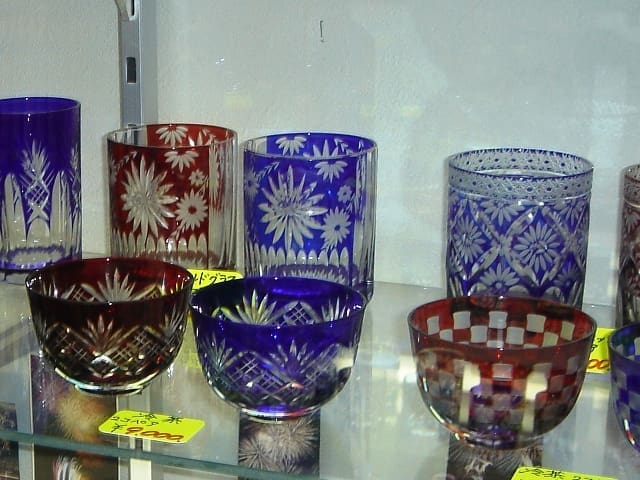
1. Cut Edo kiriko glass in Asakusa
What you’ll actually do: Choose a glass, practise the cuts, then grind your own geometric pattern under staff guidance.
Why it’s memorable: The finished glass is useful, personal and tied to an Edo craft rather than a generic souvenir.
Time needed: 60–90 minutes Best for: Solo, couples, older children
Cost: ¥¥ Touristy level: Medium Book ahead? Yes
Reality check: Fine cutting needs patience; complex examples are harder than they look.
Check the official or primary source.
2. Make a food replica in Kappabashi
What you’ll actually do: Shape wax or resin into a restaurant-style food sample and take the piece home.
Why it’s memorable: It turns one of Japan’s most recognizable street details into a hands-on craft.
Time needed: 40–90 minutes Best for: Families, friends, rainy days
Cost: ¥¥ Touristy level: High Book ahead? Yes
Reality check: The popular formats are designed for beginners and can feel commercial.
Check the official or primary source.
3. Dye fabric with an artisan in Ochiai
What you’ll actually do: Use traditional dyeing methods on a small textile item at a working studio.
Why it’s memorable: You see how color is layered instead of only looking at finished kimono fabric.
Time needed: 1.5–3 hours Best for: Craft-focused travelers, couples
Cost: ¥¥–¥¥¥ Touristy level: Low Book ahead? Yes
Reality check: Workshop dates and English support are limited; confirm before paying.
Check the official or primary source.
4. Play taiko drums
What you’ll actually do: Learn stance and basic rhythms, then play a short group sequence on full-size drums.
Why it’s memorable: The physical sound and coordination make this more vivid than watching a stage show.
Time needed: 60–90 minutes Best for: Friends, families with school-age children
Cost: ¥¥ Touristy level: Medium Book ahead? Yes
Reality check: It is loud and physically active; people sensitive to sound should skip it.
Check the official or primary source.
5. Cook sushi instead of only ordering it
What you’ll actually do: Prepare rice and toppings, practise shaping pieces and eat what you make.
Why it’s memorable: Technique changes how you understand a familiar meal, even if the final pieces are imperfect.
Time needed: 2–3 hours Best for: Couples, families, solo travelers
Cost: ¥¥¥ Touristy level: Medium Book ahead? Yes
Reality check: Classes vary widely in depth; verify that the session is hands-on, not mainly demonstration.
Check the official or primary source.
6. Use a neighborhood sento at Koganeyu
What you’ll actually do: Follow public-bath etiquette, soak in several baths and optionally add the sauna.
Why it’s memorable: A working bathhouse shows an ordinary urban ritual that sightseeing rarely captures.
Time needed: 1–2 hours Best for: Solo travelers, couples separately
Cost: ¥ Touristy level: Low to medium Book ahead? Usually not
Reality check: Baths are gender-separated; tattoo, sauna and busy-time rules should be checked directly.
Check the official or primary source.
7. Watch Japanese baseball from the stands
What you’ll actually do: Buy a game ticket, learn the team chants and stay through the late innings.
Why it’s memorable: Coordinated cheering and stadium food make the crowd part of the event.
Time needed: 3–4 hours Best for: Friends, families, sports fans
Cost: ¥¥–¥¥¥ Touristy level: Medium Book ahead? Recommended
Reality check: The season and schedule control availability; the best atmosphere may mean noisy seats.
Check the official or primary source.
8. Try Tokyo’s batting cages
What you’ll actually do: Load a card or tokens, select a pitching speed and take repeated swings.
Why it’s memorable: It gives non-fans a short, active way to understand Japan’s baseball enthusiasm.
Time needed: 30–60 minutes Best for: Solo, friends, teenagers
Cost: ¥ Touristy level: Low Book ahead? Usually not
Reality check: Instructions may be mainly Japanese and faster machines are not beginner-friendly.
Check the official or primary source.
9. Cycle the eastern waterfront
What you’ll actually do: Rent a bicycle and follow flatter riverside sections around Ryogoku, Sumida or Tokyo Bay.
Why it’s memorable: Moving between bridges and neighborhoods reveals the city’s scale better than another train ride.
Time needed: 2–4 hours Best for: Solo, couples, active families
Cost: ¥–¥¥ Touristy level: Low Book ahead? Recommended for guided tours
Reality check: Traffic, summer heat and rain can turn a relaxed ride into work; avoid rush-hour streets.
Check the official or primary source.
10. Use the Sumida River as transport
What you’ll actually do: Board a scheduled water bus and travel between Asakusa, Hamarikyu or the bay area.
Why it’s memorable: The skyline changes continuously and the boat replaces a subway transfer.
Time needed: 35–70 minutes Best for: All travelers
Cost: ¥ Touristy level: Medium Book ahead? Recommended on weekends
Reality check: Some routes are infrequent and decks may close in bad weather.
Check the official or primary source.
11. Observe sumo practice respectfully
What you’ll actually do: Watch wrestlers train from the designated viewing area at a stable that permits visitors.
Why it’s memorable: The repetition, silence and impact show the work behind a tournament bout.
Time needed: 1–2 hours Best for: Solo, couples, older children
Cost: ¥–¥¥ Touristy level: Medium Book ahead? Yes or check first
Reality check: Practice is not staged for visitors; dates can change and strict quiet etiquette applies.
Check the official or primary source.
12. Listen properly in a jazz kissa
What you’ll actually do: Choose a serious listening café, order one drink and let the owner’s sound system set the evening.
Why it’s memorable: It is a Tokyo nightlife experience built around attention rather than constant conversation.
Time needed: 1–2 hours Best for: Solo travelers, couples, music fans
Cost: ¥–¥¥ Touristy level: Low Book ahead? Usually not
Reality check: Some rooms discourage talking or photography and may have limited English.
Check the official or primary source.
13. Build a toy at the Tokyo Toy Museum
What you’ll actually do: Play with the hands-on collection and join the daily toy workshop when offered.
Why it’s memorable: Children leave with something they made, while adults see Japanese approaches to play and woodcraft.
Time needed: 2–3 hours Best for: Families with younger children
Cost: ¥ Touristy level: Medium Book ahead? Usually not
Reality check: Workshop content varies by day and the museum is primarily designed for children.
Check the official or primary source.
14. Spend an hour at live rakugo
What you’ll actually do: Sit through comic storytelling and variety acts at an old-style yose theater.
Why it’s memorable: Even without full Japanese, timing, gesture and audience reaction create a different kind of night out.
Time needed: 1–3 hours Best for: Solo, couples, language-curious travelers
Cost: ¥–¥¥ Touristy level: Low Book ahead? Usually not
Reality check: Language is the main barrier; choose this for atmosphere if you cannot follow Japanese.
Check the official or primary source.
15. Eat and sing on a yakatabune
What you’ll actually do: Board a low traditional-style boat for a set meal, bay cruise and often karaoke or onboard entertainment.
Why it’s memorable: It combines Tokyo’s waterways with a very social group evening.
Time needed: 2.5–3 hours Best for: Friends, multigenerational groups
Cost: ¥¥¥ Touristy level: Medium Book ahead? Yes
Reality check: It is expensive, meal-led and schedule-bound; solo bookings can be difficult.
Check the official or primary source.
If You Only Choose Three
- For craft: Edo kiriko gives you a useful object and a real technique.
- For local routine: a neighborhood sento is inexpensive and unmistakably urban Japan.
- For a big shared night: choose baseball in season, or a jazz kissa if you prefer quiet.
Best With Kids
Food-sample making, the Tokyo Toy Museum and a water-bus ride are the easiest choices. Taiko works well for school-age children who are comfortable with loud sound.
Best for Solo Travelers
Jazz kissa, sento, rakugo, cycling and batting cages do not require a companion or a private-group booking.
Best Rainy-Day Experience
Edo kiriko, food replicas and taiko are dependable indoor choices. Do not schedule the river boat or cycling as the only important activity on a bad-weather day.
Doing More Than Sightseeing in Japan
Continue with hands-on Kyoto experiences for crafts and cultural participation, or memorable Osaka activities for food-making, comedy, sport and merchant-city culture. Baseball travelers should also read How to Watch Baseball in Japan. For a slower day outside the city, compare our car-free alternatives to Kamakura.
Editorial verification note: Operating days, prices, age rules and language support can change. The linked operator or official tourism page is the final source for the travel date.