
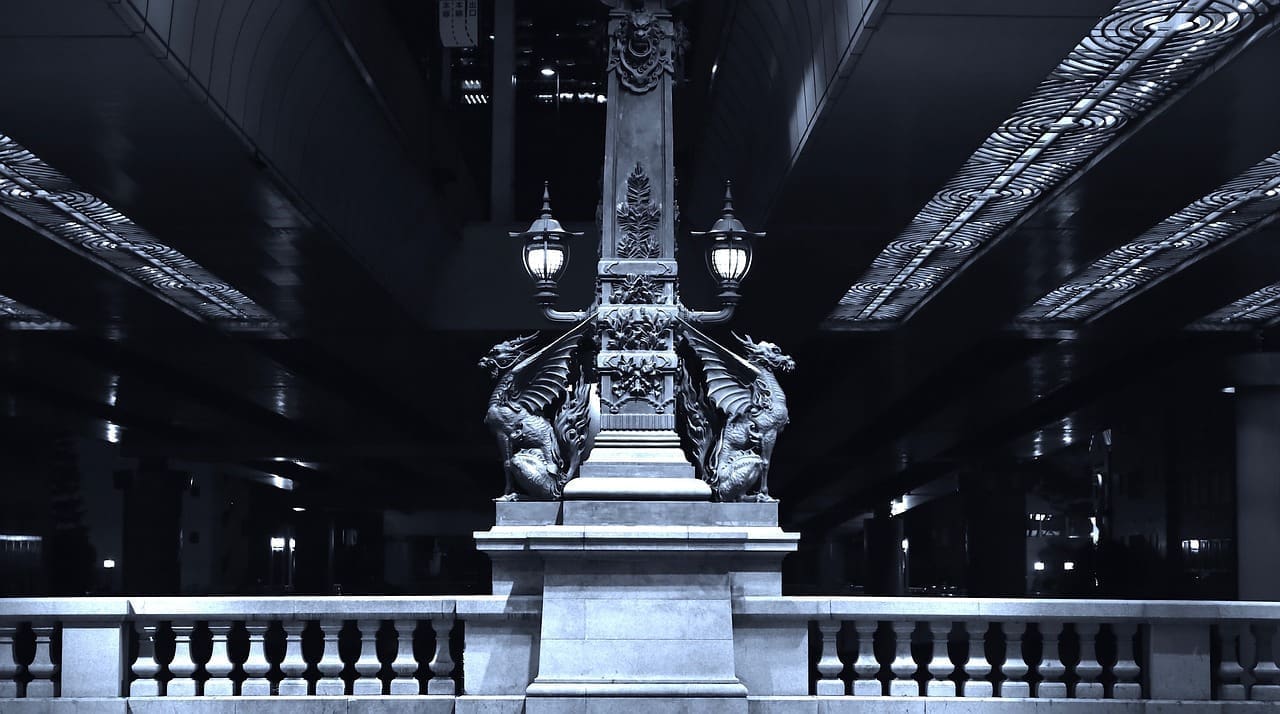
Last verified: September 7, 2026. The next event date has not yet been announced; confirm it before making a special trip.
Once a year, residents, local businesses and community groups wash Tokyo’s historic Nihonbashi Bridge together. The event is called Meikyo Nihonbashi Hashiarai, usually shortened to Hashiarai. It began in 1971 and has become a recognizable summer tradition in the Nihonbashi district.
This is not a theatrical festival with a long program of performances. Its appeal is watching a working piece of Tokyo infrastructure become the center of a large community ritual—and understanding why this bridge matters to the city.

Quick planning facts
| Question | Practical answer |
|---|---|
| When is it? | Traditionally on the fourth Sunday in July. The 2026 event took place on July 26; wait for the organizer to confirm the next date. |
| Where? | On Nihonbashi Bridge in Chuo City, central Tokyo. |
| Can visitors join? | Do not assume open participation. Access and participation arrangements can change; casual visitors should plan primarily to observe. |
| How long should you allow? | About 60–90 minutes for the event area, longer if you combine it with the historic district. |
| Best for | Travelers interested in local traditions, urban history and community events. |
What happens during Hashiarai?
The bridge is closed or managed for the event while participants use water and brushes to remove a year’s dirt from the roadway and decorative elements. In 2026, about 1,800 people took part. The washing has a practical purpose, but organizers also describe it as a refreshing act of renewal.
Expect summer heat, a busy bridge approach and limited clear sightlines. Arrive before the washing begins, keep pedestrian routes open and follow staff directions. A compact umbrella can obstruct other people’s view; a hat and water are usually the more considerate choice.
How to get there
Nihonbashi is served by Nihombashi Station on the Tokyo Metro Ginza and Tozai lines and the Toei Asakusa Line. Mitsukoshimae Station is also convenient. Because temporary traffic controls can affect the bridge area, rail is easier than a taxi on event morning.
Build a useful half-day around the event
After the bridge washing, look for Japan’s road-origin marker and continue into the old commercial district. Our guide to Kilometer Zero at Nihonbashi explains the bridge’s national significance. You can also use the Hidden Japan trip-planning guide to connect Nihonbashi with other history-focused stops.
Visitor etiquette
- Do not enter a restricted washing area or copy participants unless staff invite you.
- Keep bridge approaches, shop entrances and emergency routes clear.
- Ask before photographing identifiable participants at close range, especially children.
- Carry your rubbish and prepare for strong July heat.
- Treat the event as a neighborhood tradition, not a staged attraction.
Official information and further reading
- Nihonbashi district revitalization and annual Hashiarai
- 2026 event report from the Chuo City Tourism Association